Description
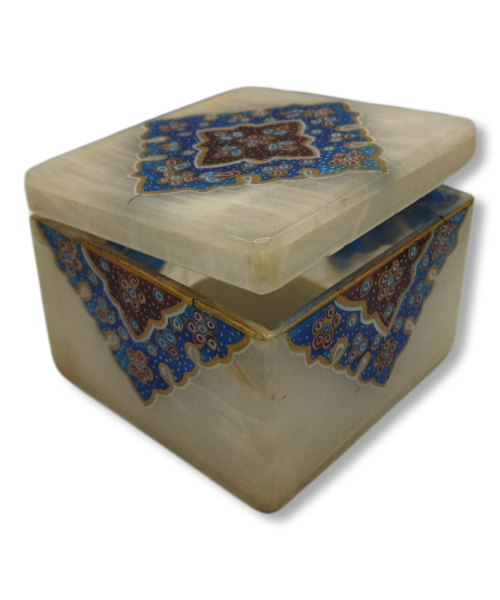
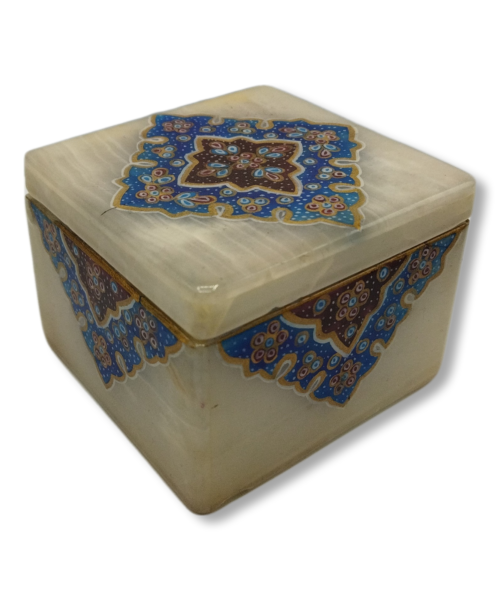
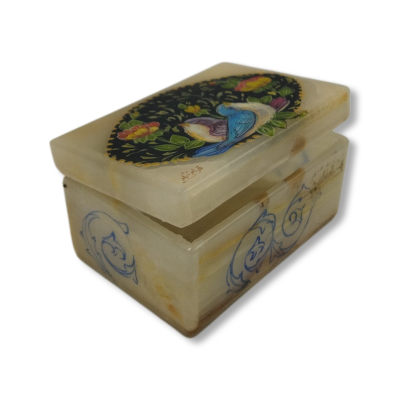
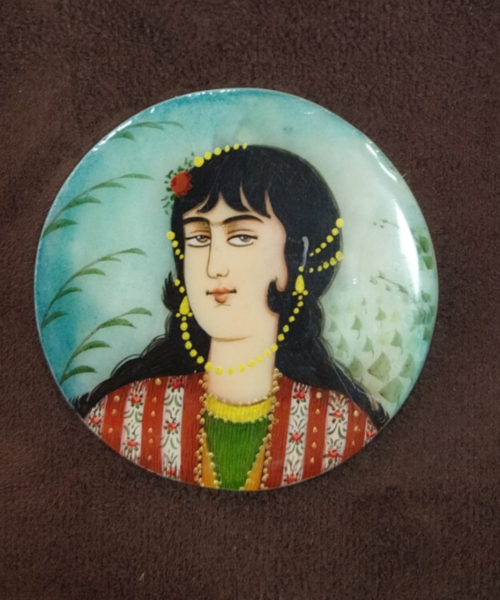
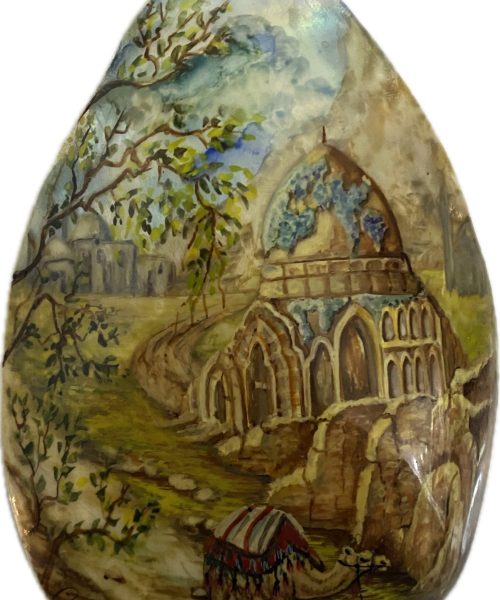
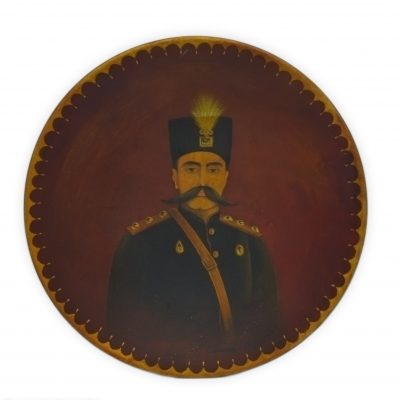
Iranian miniature is a traditional painting style characterized by intricate details, vibrant colors, and exquisite delicacy, often depicting mythological or religious themes. Due to its long history, Iran possesses a rich artistic heritage, of which Iranian miniature is a part.
The word “miniature” is a French term meaning “small model of nature,” but Iranian miniature differs fundamentally from what is called miniature in East Asia and Europe. In fact, the only similarity between Iranian miniatures and those from China, Japan, and Europe is mostly the small scale. Iranian miniatures also have other unique features.
The first is their rich and delicate detail; despite their small size, the artist does not omit any detail, captivating the viewer’s eye. Some paintings are so fine that a magnifying glass is needed to see their precise beauty.
Iranian miniature is a small painting on paper, leather, bone, etc., whether an illustration in a book or a standalone artwork meant to be kept in an album. The techniques used in Iranian miniature are widely comparable to Western and Byzantine miniature traditions in illuminated manuscripts.
Although the Iranian tradition is also present in mural painting, the survival rate and preservation condition of miniatures are better. Iranian miniature is recognized as the most well-known form of Iranian painting in the West, with many of its most important works held in Western or Turkish museums.
Miniature painting emerged as a significant genre in Iranian art in the 13th century CE and, after the Mongol invasions, was influenced by Chinese art. It reached its highest point in the 15th and 16th centuries. Later, this art form continued under Western influence and had many modern representatives.
Iranian miniature painting has had a major influence on other Islamic miniature arts, especially Ottoman miniatures in Turkey and Mughal miniatures in the Indian subcontinent.